


Summer School in Sports Law and Football Management
One week of direct access to the football industry, in the heart of Lisbon.
The La Biagiola International School of Archaeology (BISA), situated in the Tuscan countryside, presents a cracking opportunity for students of archaeology and related disciplines to get their hands dirty on a real dig. Participants will be investigating a fascinating site with evidence of Etruscan, Roman, and Lombard occupation, encompassing everything from architectural features and graves to wine and oil production facilities. The programme isn’t just about trowels and brushes though; there’s a strong emphasis on learning cutting-edge digital techniques such as 3D modelling and Geographic Information Systems (GIS).
The seasonal session, taking place in Summer, offer immersive experiences ranging from two to four weeks, with fees applicable. Students will be involved in all aspects of the archaeological process, including excavation, surveying, artifact processing, and documentation. The BISA collaborates with the Cultural Heritage Office of Tuscany and the Archaeological Park of Sovana, providing access to significant sites like Etruscan necropolises. Beyond the digging, there are also planned cultural excursions to nearby historical and natural sites, ensuring a well-rounded experience. Accommodation and meals are provided, making it a proper immersion into Italian archaeology.
Regarding the academic side of the La Biagiola International School of Archaeology (BISA) program, you’ll be getting proper stuck into hands-on archaeological fieldwork, focusing on sites spanning the Etruscan, Roman, and Lombard periods. The tuition covers a blend of traditional excavation and survey methods alongside training in cutting-edge digital technologies. This includes learning about 3D modelling, photogrammetry, Simultaneous Localization and Mapping (S.L.A.M.), and Geographic Information Systems (GIS). You’ll be guided through all aspects of the archaeological process, from excavation and artifact processing to documentation and analysis, under the supervision of expert archaeologists, historians, and technologists. The coursework delves into various archaeological disciplines, including landscape, architectural, and burial archaeology. Moreover, students may have the opportunity to gain academic credit for their participation. While some prior experience in archaeological methodology is usually expected, there’s potential for acceptance even without it, possibly involving supplementary coursework at the start.
One week of direct access to the football industry, in the heart of Lisbon.

The English summer program by Bucksmore offers intensive English language learning at top UK universities for students aged 10-18.

A unique 6-day IB CAS leadership adventure in the stunning Austrian Alps, combining outdoor activities, cultural immersion, and meaningful service opportunities.
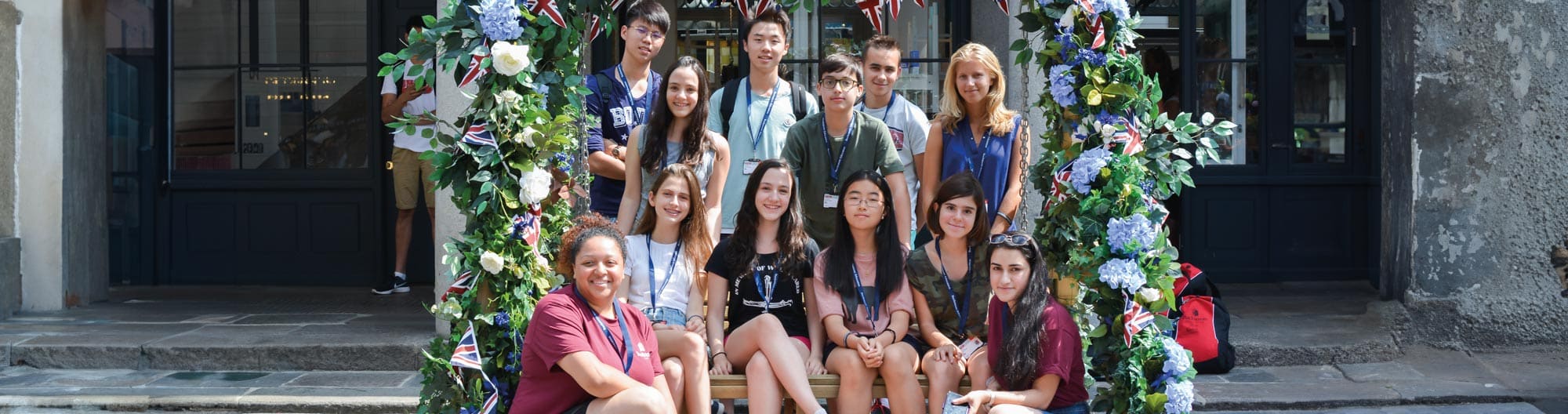
Specialized English language and leadership courses for students at various learning stages, enhancing language fluency and academic skills in a dynamic summer school environment.