Choosing a summer camp can feel like a difficult decision, and can be really hard for parents, especially when brochures and websites uniformly promise enriching experiences, skilled staff, and a safe environment. While many camps genuinely deliver on these claims, it’s important to look beyond polished marketing and take a closer, more critical look at what’s actually offered. You want to find providers who are both authentic and reliable. These attributes come from them being transparent, consistent, and having a proven track record—not just offering appealing photos and testimonials.
But finding this authenticity and reliability is very much up to parents – with help from this guide! You can build confidence in your decision-making by asking detailed questions, checking independent reviews, and verifying credentials such as staff training, safety policies, and accreditation.
Speaking directly with camp directors, or even other parents whose children have attended, can provide a clearer picture. Ultimately, a trustworthy camp is one that welcomes your scrutiny, communicates openly, and demonstrates a clear commitment to your child’s wellbeing and development.
An Example for You
One provider that clearly illustrates these principles in practice is Oxford Summer Courses, offering a transparent and well-structured programme that aligns closely with what parents should look for in a trustworthy summer camp.
This provider is a strong example of authenticity and reliability because it demonstrates many of the key indicators parents should look for when evaluating summer camps. Oxford Summer Courses is transparent about its structure, clearly outlining program content, duration, pricing, and what is included. Rather than relying on vague promises, it specifies academic components such as interactive lessons, directed study sessions, and industry discussions—showing a well-developed and credible curriculum.
It also reinforces trust through its setting and delivery. Hosting programs within established colleges in Oxford and Cambridge adds a layer of legitimacy, as these locations are globally associated with academic excellence. The inclusion of structured activities, pastoral elements such as reflection sessions, and practical details such as accommodation, insurance, and airport transfers signals thoughtful organisation and a duty of care. Altogether, the combination of transparency, reputable locations, comprehensive programming, and clear outcomes makes this provider a model example of a summer camp that aligns with the criteria of authenticity and reliability.
When considering a programme like Oxford Summer Courses, parents should approach enquiries with a clear sense of what truly matters: safety, academic quality, and overall student wellbeing. Asking the right questions not only helps verify the provider’s claims but also gives insight into how transparent and responsive they are—both strong indicators of reliability.
Here are some focused recommendations on how to direct enquiries and what they should include:
Ask about staff qualifications and supervision
- What training do tutors and residential staff have?
- What is the staff-to-student ratio, both in class and during activities?
Clarify safety and safeguarding measures
- What safeguarding policies are in place?
- How are emergencies handled, and is there 24/7 pastoral support?
Understand the academic structure
- How are classes taught (seminars, tutorials, group work)?
- Are learning outcomes or progress reports provided?
Confirm accommodation and daily routines
- Where exactly will students stay (e.g. specific colleges in Oxford or Cambridge)?
- What does a typical day or week look like?
Request details on inclusions and extra costs
- Are excursions, meals, insurance, and transfers fully covered?
- Are there any optional add-ons or hidden fees?
Seek independent feedback and references
- Can the provider share testimonials or connect you with past participants?
- Are there verified third-party reviews available?
Gauge communication and transparency
- How quickly and clearly do they respond to questions?
- Do they provide written documentation or guides for parents?
By structuring enquiries in this way, you can move beyond surface-level marketing and gain a clearer, more reliable understanding of whether the programme truly delivers on its promises.
While Oxford Summer Courses provides a strong benchmark, parents should always explore multiple camps to find the best fit for their child’s interests, goals, and personality.
Broadening the comparison
A key step in the decision-making process is shortlisting a variety of camps and comparing them side by side. For example, parents might contrast academically focused programmes in Oxford or Cambridge with more experiential or specialised options. Here are some examples for you.
Gaia Changemakers Program
A three-week, travel-based experience across Zurich, Prague, and the Swiss Alps, this programme stands out for its focus on sustainability, leadership, and real-world problem-solving. Its project-based learning, expert-led workshops, and interdisciplinary approach demonstrate a clear academic framework combined with practical application—key markers of authenticity.
Manchester City Summer Residential Football Programmes
Hosted in Manchester at the elite training facilities of Manchester City Football Club, this programme is a strong example of a specialist camp. With structured daily coaching, qualified staff, and a clear methodology, it highlights how sports-focused camps can still meet high standards of organisation, safety, and development—both on and off the pitch.
Yale Summer Session English Language Institute
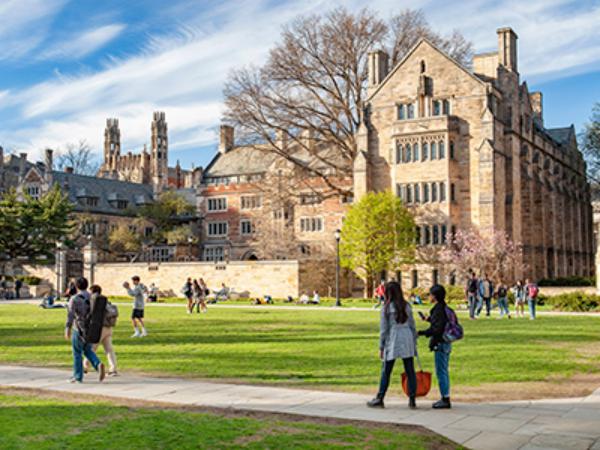
Based at Yale University, this intensive five-week programme offers a university-level academic environment for students aged 18+. Its clearly defined curriculum, small class sizes, and emphasis on measurable language outcomes make it a strong example of transparency and academic credibility in a different international context.
Use the same evaluation criteria
Across these varied examples—academic, experiential, and specialist—the same core questions still apply. You should consistently assess:
- Staff expertise and teaching quality
- Safeguarding and pastoral care
- Programme structure and learning outcomes
- Transparency in pricing and inclusions
- Independent reviews and reputation
Spend time on your research
Exploring multiple camps also allows parents to spot differences in communication and openness. Some providers will readily share detailed schedules, staff credentials, and policies, while others may remain vague—an important distinction when assessing reliability.
Follow up with further examples
By comparing programmes like these, parents can begin to see patterns in what makes a camp trustworthy. Expanding this approach to include additional providers can further highlight the diversity of options available, helping families make a well-informed decision based not just on reputation, but on genuine quality and fit.
Comparing Like with Like
A helpful next step is to narrow the focus to one clear category, for example, English language summer programmes in the UK. This builds on earlier comparisons, but makes things simpler by allowing you to look at similar camps with the same goal, making the research feel more manageable and even enjoyable.
Looking at a few options side by side is a great way to bring this to life. For example, Taunton School in Taunton offers a more structured approach, with 20 hours of English each week and a strong balance of learning and activities. Wycombe Abbey Summer School with UKLC near London leans towards a more academic and immersive experience, with daily lessons, a focus on confidence and communication, and recognised accreditation. Meanwhile, Queenswood School with UKLC in Hatfield offers a flexible mix of English lessons and electives, ideal for students who want to combine learning with a variety of interests.
Checking in more detail – extracurriculars and accommodation
Looking beyond the classroom highlights some clear differences in experience. At Taunton School in Taunton, extracurriculars are wide-ranging—from sports and outdoor adventures to arts and cultural excursions to places like Oxford and Stonehenge—with shared boarding accommodation designed to encourage social interaction and English use. Wycombe Abbey Summer School with UKLC near London offers a more structured mix of activities, with a strong focus on cultural trips and a supportive boarding environment backed by close pastoral care. Meanwhile, Queenswood School with UKLC in Hatfield provides a flexible programme of electives, sports, and excursions, paired with varied accommodation options that balance social living with personal space—giving each programme a distinct feel in how students spend their time and live day to day.
Asking the same simple questions about each programme—how much teaching is included, what the classes are like, how students are supported, where they stay, and what they gain from the experience—differences quickly become clear. Some programmes are more intensive, others more balanced or activity-led. Framing your research this way makes it easier to compare options confidently and focus on what will suit your child best, turning the process into something positive rather than overwhelming.
For more details on these camps, see below.